
E20 Petrol -
India’s Road to Cleaner Fuel
Understanding the future of fuel in simple words.
INTRODUCTION
E20 petrol is India’s bold step toward a cleaner, greener future. With 20% ethanol and 80% petrol, this new blend promises reduced emissions, better energy security, and support for farmers. But what does it mean for your car, the environment, and the economy? Let’s explore in simple words.
Impact on Vehicles
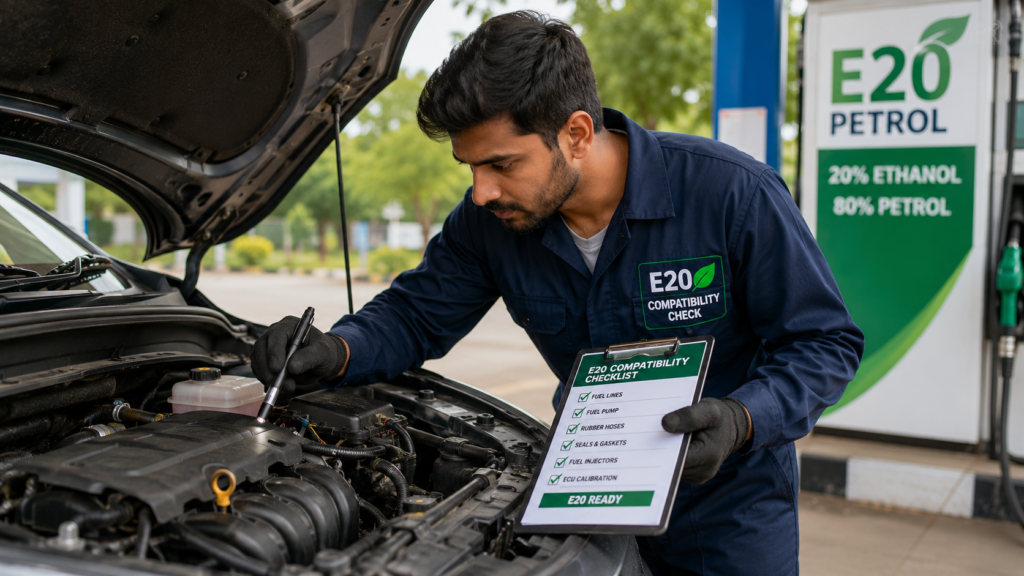
Modern cars (2023 onwards) are designed to run smoothly on E20 fuel. Older cars, however, may experience a slight drop in mileage (2–5%) and potential wear on rubber hoses or seals. Ethanol attracts moisture, which can cause corrosion in older engines. Still, with minor adjustments, most vehicles can adapt
Pros & Cons
Pros of E20 Petrol
1.Cleaner emissions, reducing carbon footprint
2.Less dependence on imported crude oil
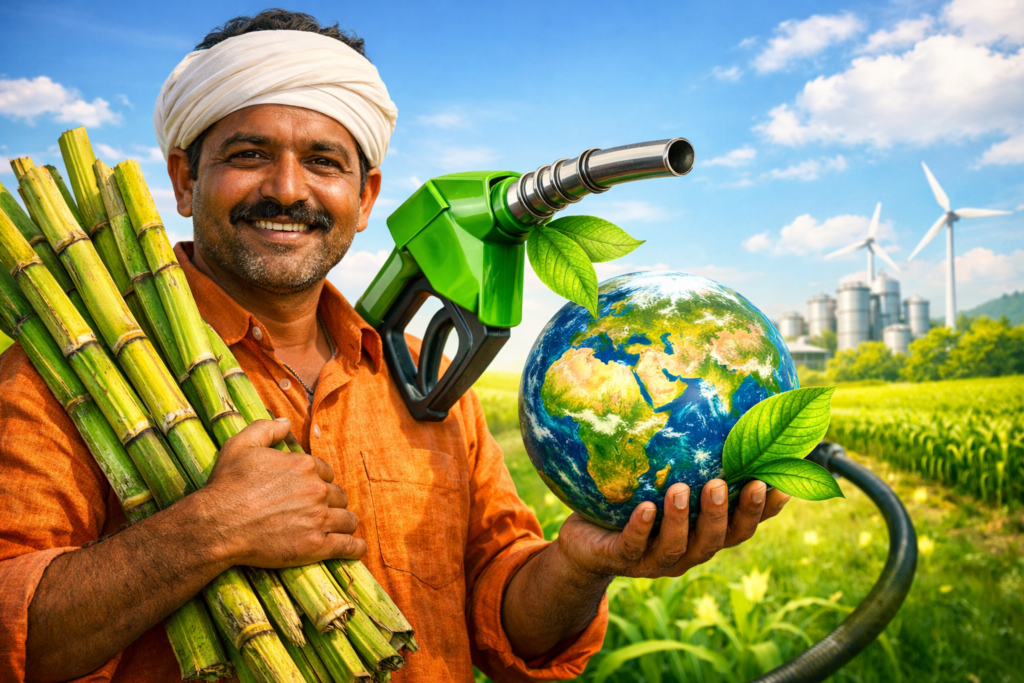
3.Boosts farmer income through ethanol production
4.Higher octane rating (95–98 RON) prevents engine knocking
5.Supports India’s renewable energy goals
Cons of E20 Petrol
1.Slight mileage drop in older cars
2.Compatibility issues with pre-2023 vehicles
3.Ethanol absorbs moisture, leading to corrosion risks
4.Large-scale ethanol production requires land and water
5.Public confusion about vehicle readiness
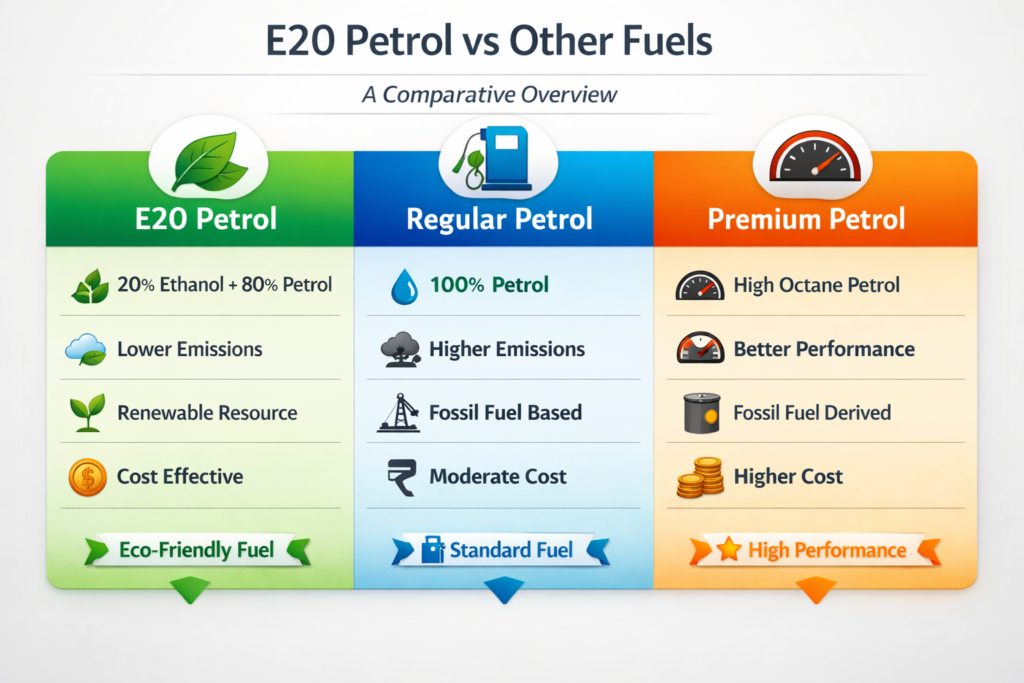
Here’s how E20 compares with regular petrol and premium fuels:
Feature
Ethanol Content
Octane Rating (RON)
Price
Vehicle Compatibility
Efficiency
E20 Petrol
20%
95–98
Same
New cars
2–5% lower in old cars
Regular Petrol
10%
91–92
Same
All cars
Normal
Premium Petrol
15–20%
95–97
Slightly higher
All cars
Slightly better
Environmental & Economic Benefits
Challenges & Concerns
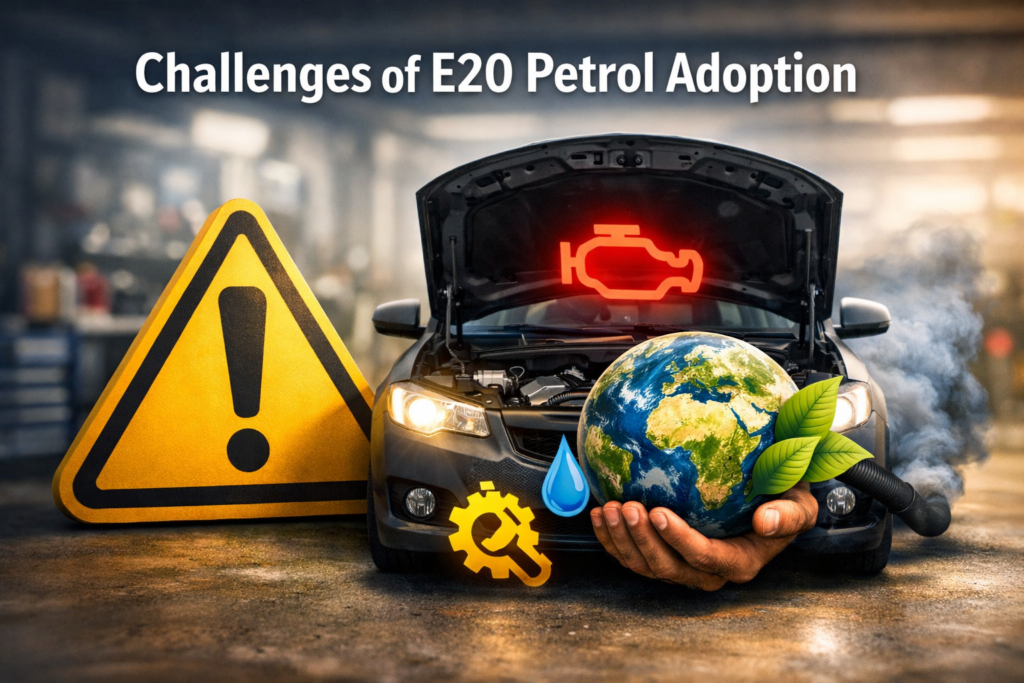
Despite its promise, E20 faces challenges. Older cars may need part replacements, and fuel efficiency is slightly lower. Ethanol production requires significant water and land, raising sustainability concerns. Public awareness is also needed to ease confusion among vehicle owners.
Conclusion
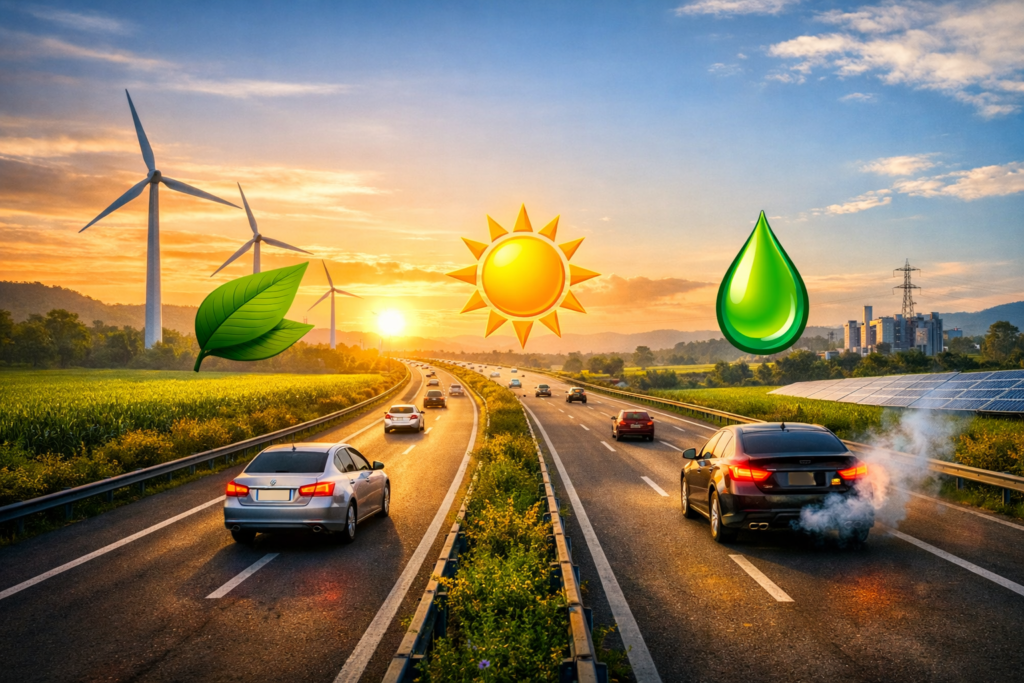
E20 petrol is a milestone in India’s journey toward cleaner energy. While older cars may face minor issues, the long-term benefits — reduced emissions, stronger farmer economy, and energy independence — make it a fuel worth adopting. The road ahead may have challenges, but the destination is a greener, more sustainable India.